Chinggis City
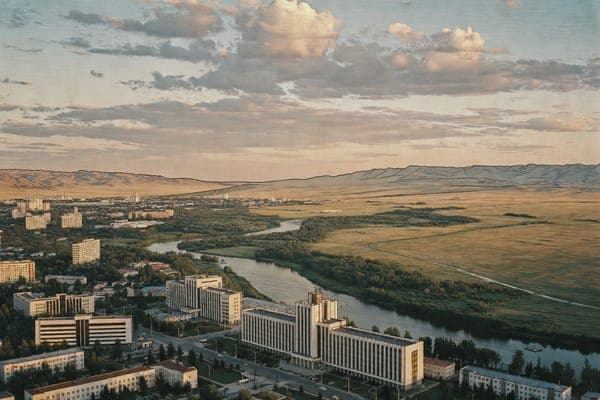
Öndörkhaan renamed Chinggis City in 2013 is the capital of Khentii Province on the Kherlen River in eastern Mongolia. Homeland of Chinggis Khan with steppe landscapes, Onon-Balj National Park, and nomadic herding culture.
Before you go
Chinggis CityBest months
Suggested days
Daily budget
MNT
Language
What is this place?
Chinggis City, formerly known as Öndörkhaan, was renamed in 2013 to honour its most famous son. It serves as the capital of Khentii Province in eastern Mongolia on the Kherlen River. The town sits amid rolling grasslands where the horizon stretches far and gers dot the steppe. This is the homeland of the boy who became Chinggis Khan.
Why does it matter?
The area holds direct links to the birth of the Mongol Empire through sites tied to Chinggis Khan's early life in the Khentii hills. Onon-Balj National Park protects the Onon and Kherlen rivers plus wetlands, forests, and steppe that shaped those events. The living nomadic culture continues with herders, horses, and traditions such as offering airag that connect visitors to centuries of continuity.
How to get there?
Chinggis City lies 330 km east of Ulaanbaatar. The journey takes 4 to 5 hours by paved road in a shared minivan. Some travellers arrive in summer by charter or small aircraft. Within the region jeeps and Russian UAZ vehicles handle the steppe tracks. Hiring a local guide and driver is recommended to reach outlying sites. Guesthouses arrange horse trekking for multi day journeys across the grassland.
What you do here?
Onon-Balj National Park, Kherlen River, steppe monuments
Explore Onon-Balj National Park for the rivers, wetlands, forests, and open steppe tied to the early Mongol Empire. Visit birthplace monuments of Chinggis Khan in the surrounding Khentii hills. Ride horses along the Kherlen Riverbanks at your own pace. Browse the local market for fresh dairy, dried meat, and crafts. Head away from town at night for stargazing where the Milky Way appears as a solid band overhead.
Where to stay?
Ger guesthouses in the centre and on the steppe
Stay in traditional ger guesthouses in the city centre for simple rooms and direct access to the market and river. Further out on the grassland herder families offer stays in their own gers with views across the hills. These options place you inside the daily rhythm of steppe life with shared meals and hospitality.
Where to eat?
Mutton, dairy, airag, and local canteens
How long?
Two to three days. One day covers the town, market, and Kherlen Riverbanks. A second day reaches Onon-Balj National Park and the monuments. Add a third day for a horse trek on the steppe with an overnight in a ger.
What's the catch?
What's nearby?
6Mongolia's capital on the Tuul River at 1310 m. Genghis Khan legacy, Buddhist monasteries, Soviet squares, and gateway to the Gobi and steppe.
Mongolia's second city, a 1970s Soviet-planned copper town between the Selenge and Orkhon rivers. Open-pit mine, carpet factory tours, and immediate contrast with nomadic steppe life.
Mongolia's 13th-century Mongol Empire capital in the Orkhon Valley UNESCO site - Erdene Zuu Monastery from palace stones, turtle markers, museum artifacts and grassland ruins.
Mongolia's southern Gobi gateway and capital of Ömnögovi Province - Flaming Cliffs with 1922 dinosaur eggs, singing sand dunes, and Gurvansaikhan National Park base for expeditions.
Mongolia's greenest provincial capital in the Khangai Mountains. 17th-century monastery museum, gateway to White Lake, hot springs, and horse riding in forested valleys.
Mongolia's northern provincial capital and gateway to Lake Khuvsgul, taiga forests, and Tsaatan reindeer herders in the transition from steppe to mountains.
Before you go
- Season: Jun-Aug
- Budget: $$ ($50-100 per person per day)
- Visa: Visa on arrival for many nationalities 30 days
- Currency: Mongolian Tugrik
- Language: Mongolian with limited English
- Power: Types C and E 220V
- Tipping: Appreciated for guides and drivers
- Tap water: Boil before drinking
- Transport: Hire local driver and guide for steppe
- Custom: Accept airag with both hands